
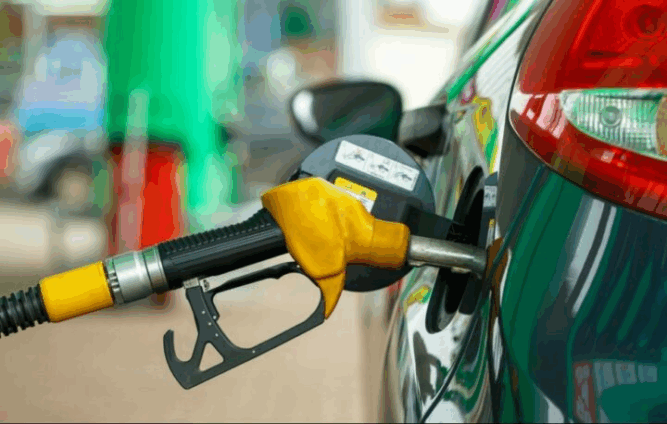
Prices of petroleum products are set to increase significantly from February 1, 2026.
This is according to the latest outlook report by the Chamber of Oil Marketing Companies (COMAC), which guides pricing decisions for oil marketing companies and was sighted by Joy Business.
This marks the first time fuel prices are projected to rise, largely due to the depreciation of the Ghanaian cedi and rising international crude oil prices.
The cedi has come under pressure since January 1, 2026, driven by increased demand from businesses restocking for the year and multinational companies making foreign transfers in line with dividend payments.
The Bank of Ghana’s January Economic and Financial Data shows that the cedi depreciated by about 4 per cent against the US dollar during the period.
Price Increase
Based on data from the Chamber of Oil Marketing Companies, petrol prices are expected to increase by up to 2.10 per cent per litre from February 1, 2026, pushing pump prices to about GH¢11.48 per litre.
Diesel prices are projected to rise by 4.00-5.10 per cent, with a litre likely to sell for around GH¢12.77.
Liquefied Petroleum Gas (LPG) is expected to increase by 0.61 per cent, resulting in a kilogram selling at approximately GH¢13.50.
Reasons
COMAC data indicate that projected price increases are largely driven by the cedi’s depreciation against the US dollar in January 2026 and by rising international crude oil prices.
Crude oil prices surged from about 64 dollars per barrel to nearly 70 dollars per barrel within just two days during the review period.
According to COMAC, the Ghana cedi depreciated marginally against major trading currencies at the start of the year.
For the February 1 pricing window, the currency weakened from GH¢10.90 to GH¢10.98, representing a 0.77 per cent depreciation.
Despite these challenges, COMAC said it has received assurances from the Bank of Ghana that it remains focused on maintaining price stability while supporting economic growth.
Crude Price Dynamics
COMAC noted that crude oil prices surged significantly in early February, rising from about 62.50 dollars per barrel to 67.40 dollars per barrel.
It explained that crude prices have rebounded this year despite expectations of a global supply glut.
The rebound has been supported by disruptions to Kazakh exports, tightening conditions in global energy markets, and renewed US threats towards Iran.
In line with rising crude prices, international refined petroleum product prices have also increased.
Petrol prices rose by 2.12 per cent, diesel by 6.73 per cent, while LPG prices increased by 3.66 per cent during the period under review.
Competition and Pricing
Despite projected increases, COMAC noted that intense competition in the downstream petroleum sector could lead many oil marketing companies to keep pump prices unchanged.
Petroleum pricing has become increasingly critical for oil marketing companies over the past two years, given its impact on volumes sold, market share, profitability, and revenue.
Industry sources indicate that some oil marketing companies may delay price adjustments from February 1, 2026, choosing instead to observe how major players respond before reviewing their own prices.
COMAC data showed that during the last pricing window — January 16 to January 31 — Zen Petroleum offered the lowest price on the market, selling a litre of petrol at GH¢9.94, when the industry “price floor” was set at GH¢9.80.
Zen’s price was marginally lower than the discounted price offered by market leader Star Oil.
Source: Joy Business